OUR MUSEUM
SOCIAL
CONTACT US
ADDRESS
The Tarot Museum is part of Mutus Liber, a non-profit cultural association
Via Arturo Palmieri, 5 Riola
40038 Vergato (Bologna) Italy
Tel. 3349975005
Tax Code 91368630371 - VAT No. 03386331205
REA BO-554574
Pec: mutusliber@pec.mutusliber.it
International Tarot Museum/Mutus Liber
Via Palmieri 5
Riola Vergato (Bologna)
40038 - Tax Code 91368630371 - VAT Number 03386331205
Italy
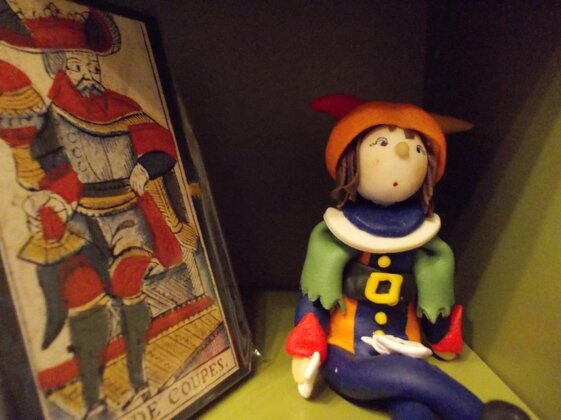
WELCOME TO THE INTERNATIONAL TAROT MUSEUM
International Tarot Museum©
TAROT MUSEUM: THE HISTORY
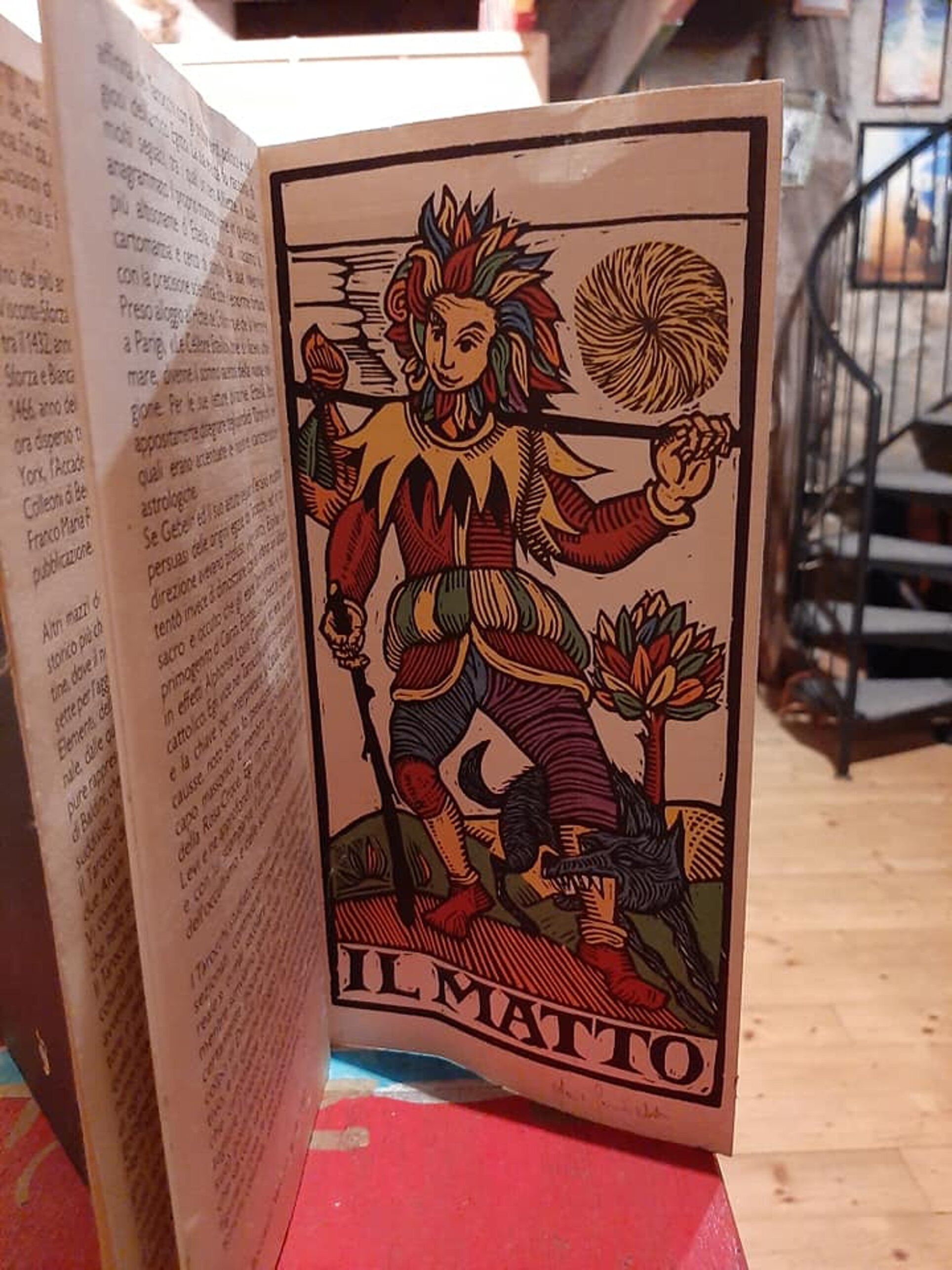
There is a special place in Italy, on an ancient medieval transit route between Pistoia and Bologna, in the small village of Riola, which has become an important cultural reference point for all Tarot lovers in the world. In this small mountain village, during the summer of 2007, at the Summer Solstice, the International Tarot Museum was born, thanks to the initiative, dedication, and determination of two great scholars who have collaborated since 1994: Morena Poltronieri and Ernesto Fazioli. These two researchers have written more than forty books on history, ancient philosophies, anthropology, the role of divination in different eras, hermetic art and culture, and finally founded a specialized publishing house. From this came the desire for a permanent venue to host works of art and Tarot decks from all over the world.
The chosen location is an imposing historic stone building from the 17th century, restored to become the first museum in the world dedicated to Tarot as an art form. Here are housed the original works of great artists who have tackled the themes of Tarot: Renato Guttuso, Franco Gentilini, Enrico Baj, Hermann Haindl, Osvaldo Menegazzi, Arnell Ando, Renato Meneghetti, Andrea Picini, Jacob Kunstmann, Catia Plate, Will Parfitt, Rachel Pollack, Robert Place and many others, creating a unique international collection. There are also collections of decks from all over the world: from 17th-century India, wooden decks from Africa, from New Zealand, the United States, both historical and contemporary decks.
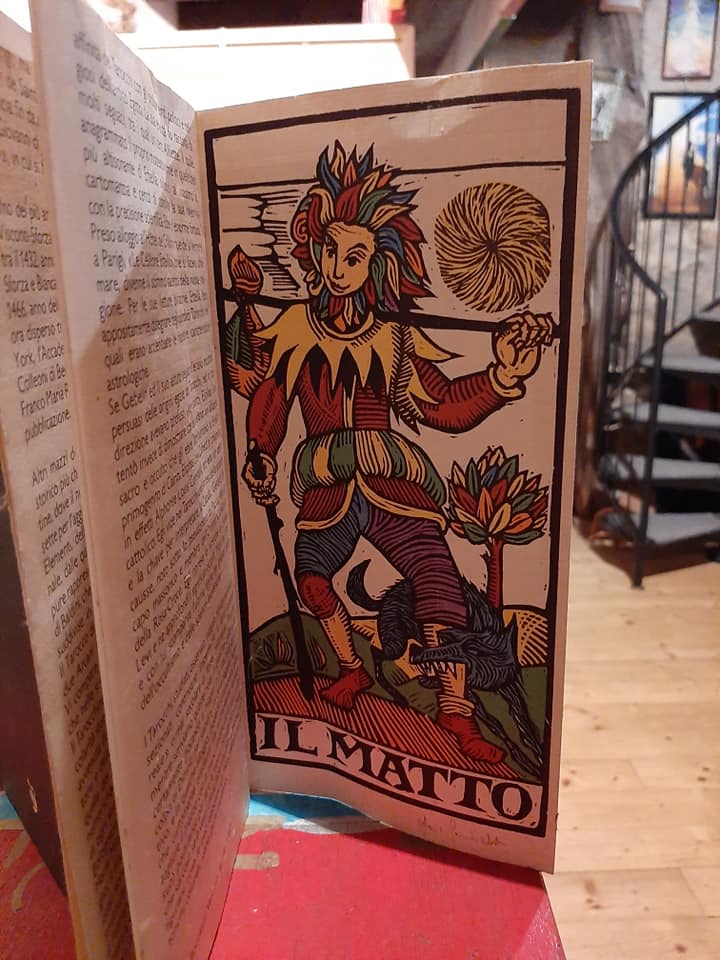
The great variety of works and objects, styles and artistic methods present in the rooms is nothing short of astonishing: collage, sculpture, painting, graphics, photography, video, reports of impromptu performances and even music, all techniques used to express and celebrate the archetypes of Tarot. There are also ancient books and publications from the Mutus Liber publishing house: a rich catalog of thematic books and art Tarots in limited editions and with the original signatures of the artists, often embellished with hand-made interventions.
The Museum often organizes cultural events, Tarot festivals, exhibitions, and guided tours, in a sort of forest of symbols that fascinates and stimulates emotions with its special atmosphere.
In fact, the Museum is not very large, but you get the feeling of getting lost in it, as if in an enchanted forest, such is the quantity and quality of the works on display. Nearby grow mountain forests, places that were sacred to the Etruscans and Celts, and that were destinations for pilgrimages in the Middle Ages. Not far from here, in the Renaissance courts of the lords of Bologna, Florence, Ferrara, and Milan, six hundred years ago, the culture of Tarot was born. And right here, today, Tarot finally finds its cultural, artistic, iconographic, narrative, historical, and anthropological place.
As a whole, the Museum acts as a philosophical bridge between the initiatory and esoteric art of the medieval and Renaissance world, and that of modern culture and our time.
Alongside the classic Tarot to admire (painting, graphics, sculpture, video, performance), there are others for which sight is not necessary: Arcana to taste and savor, Arcana to touch and recognize by feel, Arcana to smell and also Arcana to listen to, in the first musical deck created in the world, The Voices of the Arcana, composed by Giovanni Pelosini and interpreted by Giovanni Imparato.
The Museum boasts a database for the preservation of historical and cultural heritage, a library of over two thousand volumes, a bookshop with books and decks from the publishing house. It offers seminars, conferences, thematic workshops for children and adults.
The universe of Tarot and its symbols has for too long been relegated to the ghetto of media and popular divination, losing meaning and credibility in the greatest display of its less noble aspects. In the 21st century, the Tarot Museum recovers, with authority and cultural depth, all the dignity deserved by centuries of history that sees Tarot born in Italy.
All this has also been made possible thanks to a network of international correspondents: Swati Prakash (India), Arnell Ando (USA), Fern Mercier (New Zealand), Giovanni Pelosini (Europe).
Text by Giovanni Pelosini
OUR MUSEUM
SOCIAL
CONTACT US
ADDRESS
Tarot Museum is part of Mutus Liber, a non-profit cultural association
Via Arturo Palmieri, 5 Riola
40038 Vergato (Bologna) Italy
Tel. 3349975005
Tax Code 91368630371 - VAT No. 03386331205
REA BO-554574
Pec: mutusliber@pec.mutusliber.it
International Tarot Museum/Mutus Liber
Via Palmieri 5
Riola Vergato (Bologna)
40038 - Tax Code 91368630371 - VAT Number 03386331205
Italy
International Tarot Museum©